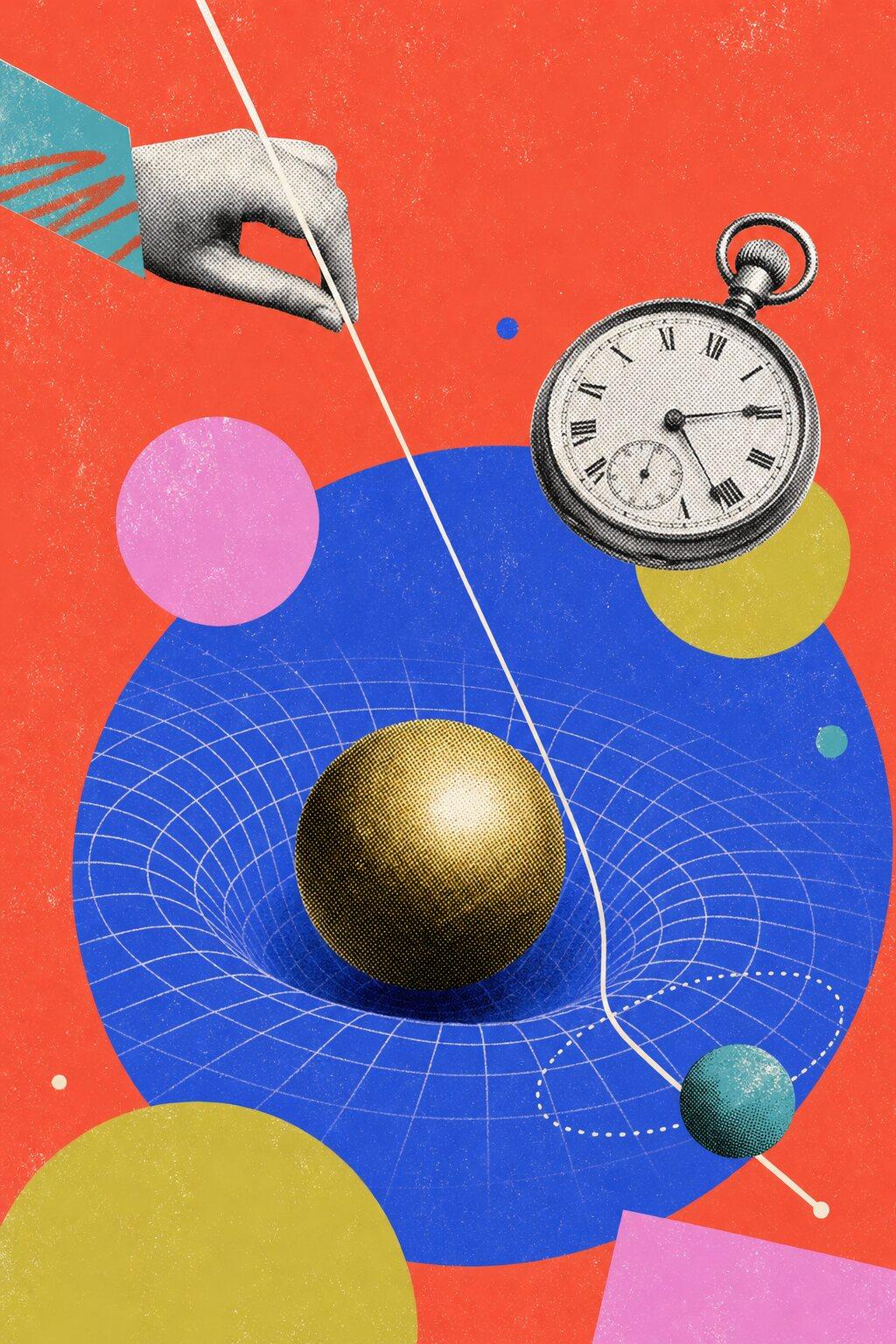
When Space Bends: Einstein's Theory of Gravity
General relativity replaced the force of gravity with the shape of spacetime. More than a century on, it keeps passing every test, from Mercury's orbit to the clocks in your phone's GPS.
18 articles in 3 sections
General relativity replaced the force of gravity with the shape of spacetime. More than a century on, it keeps passing every test, from Mercury's orbit to the clocks in your phone's GPS.
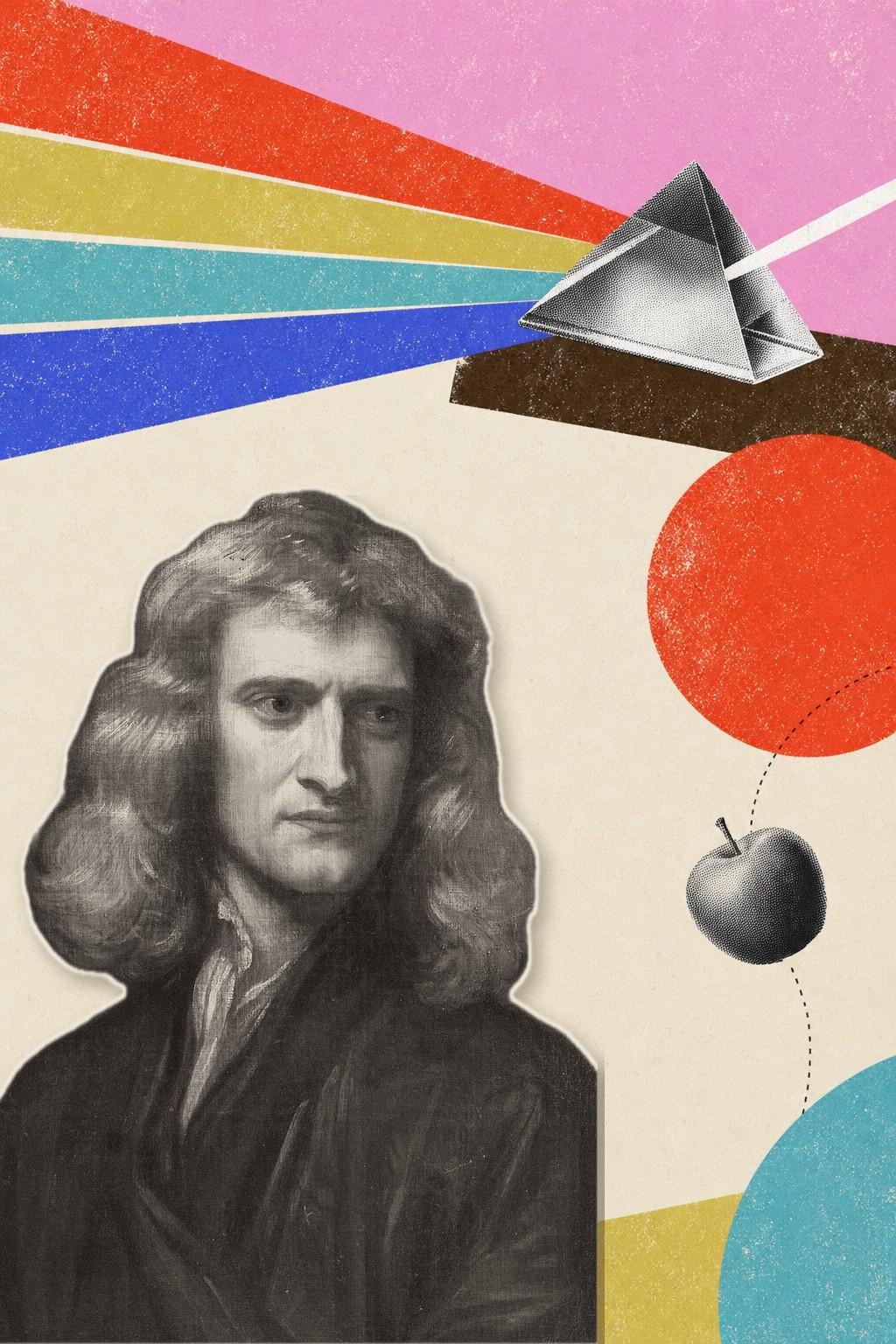
Isaac Newton split light into colours, invented calculus and explained the motion of the planets. He also spent decades on alchemy and ran the Royal Mint. A portrait of the scientist, not the legend.
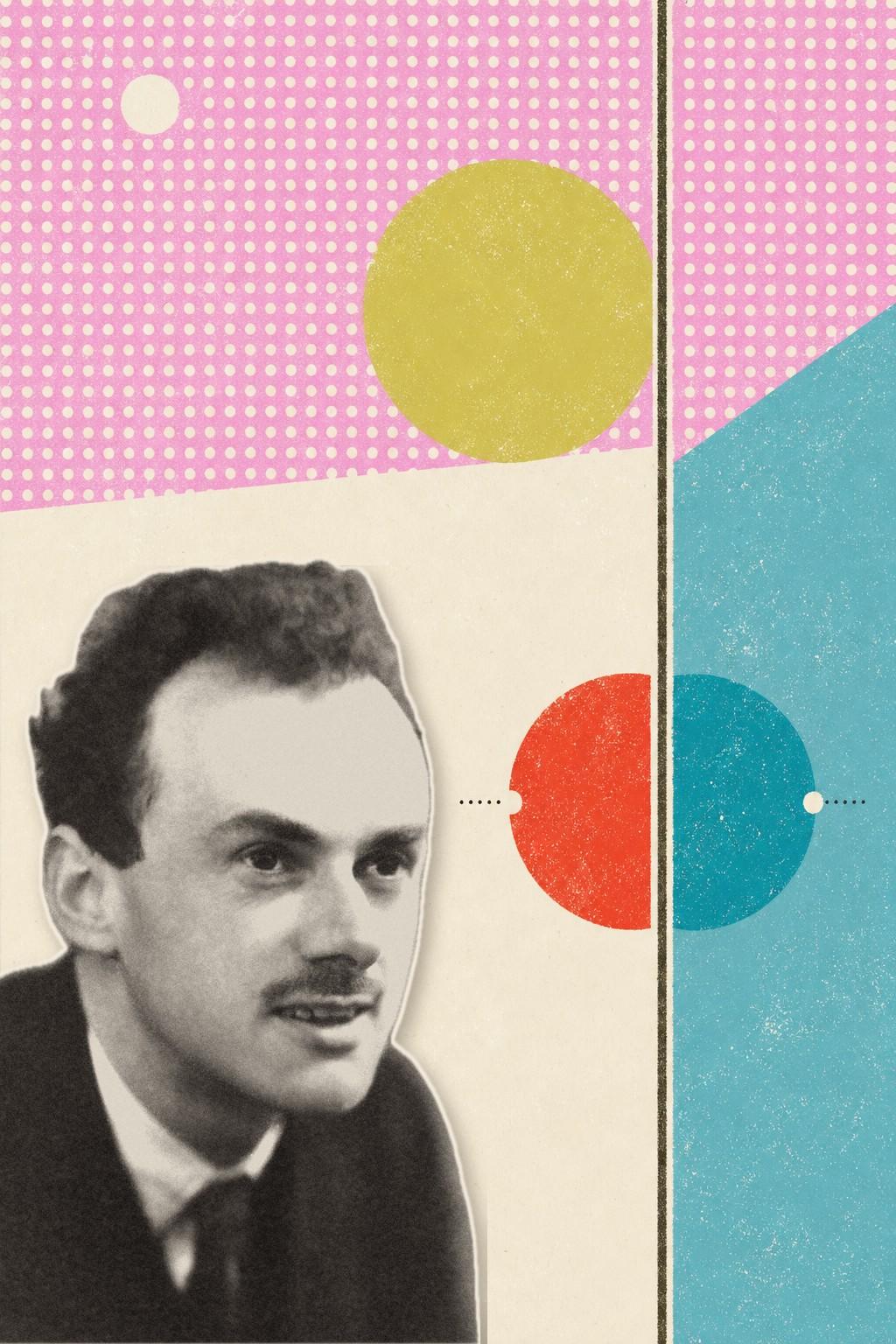
In 1928 a quiet English physicist wrote down an equation for the electron. It explained spin, and it insisted on a particle nobody had seen. Four years later, someone saw it.
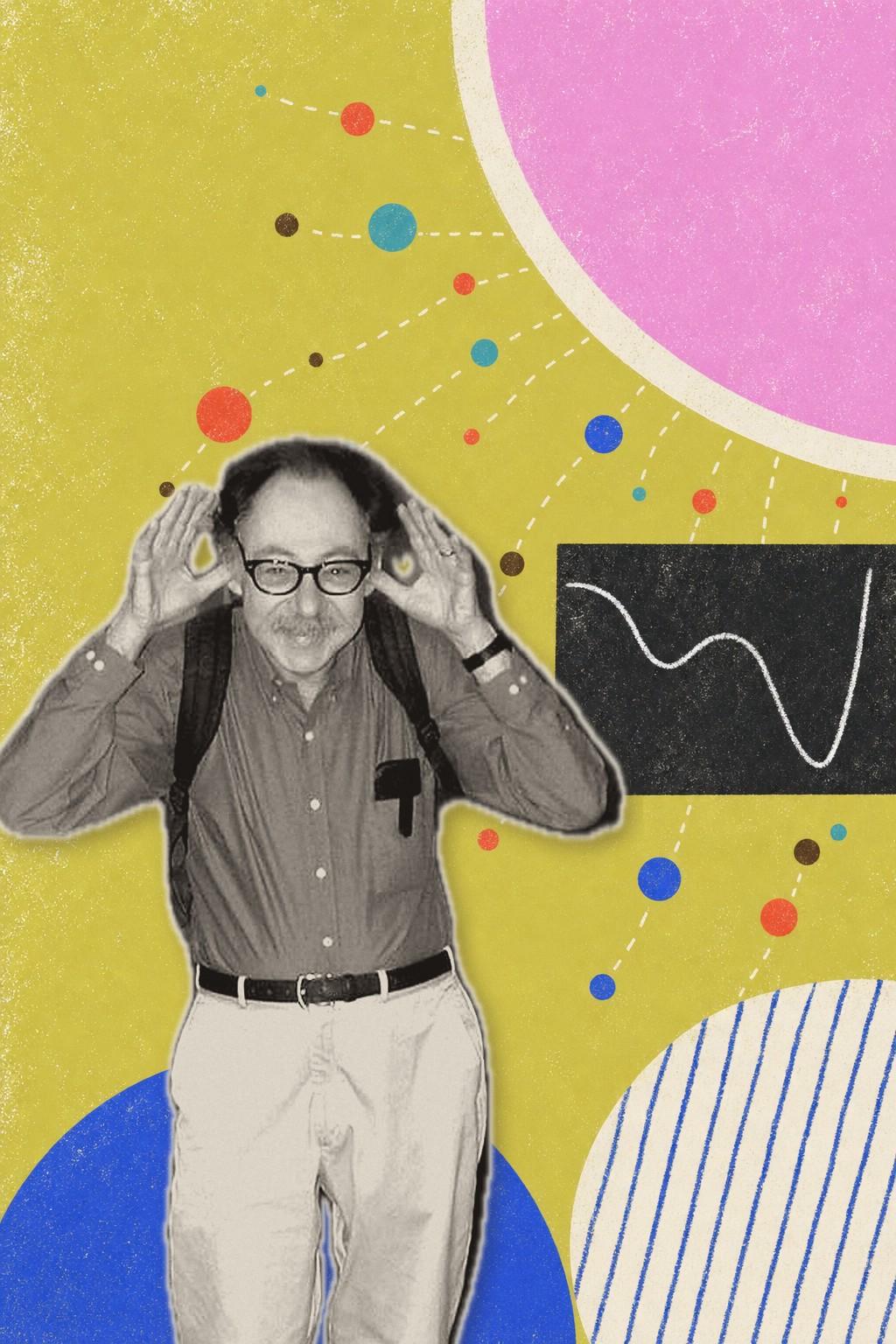
A Harvard physicist who taught a generation quantum field theory, asked whether empty space could fall apart, and made his students laugh while he did it.
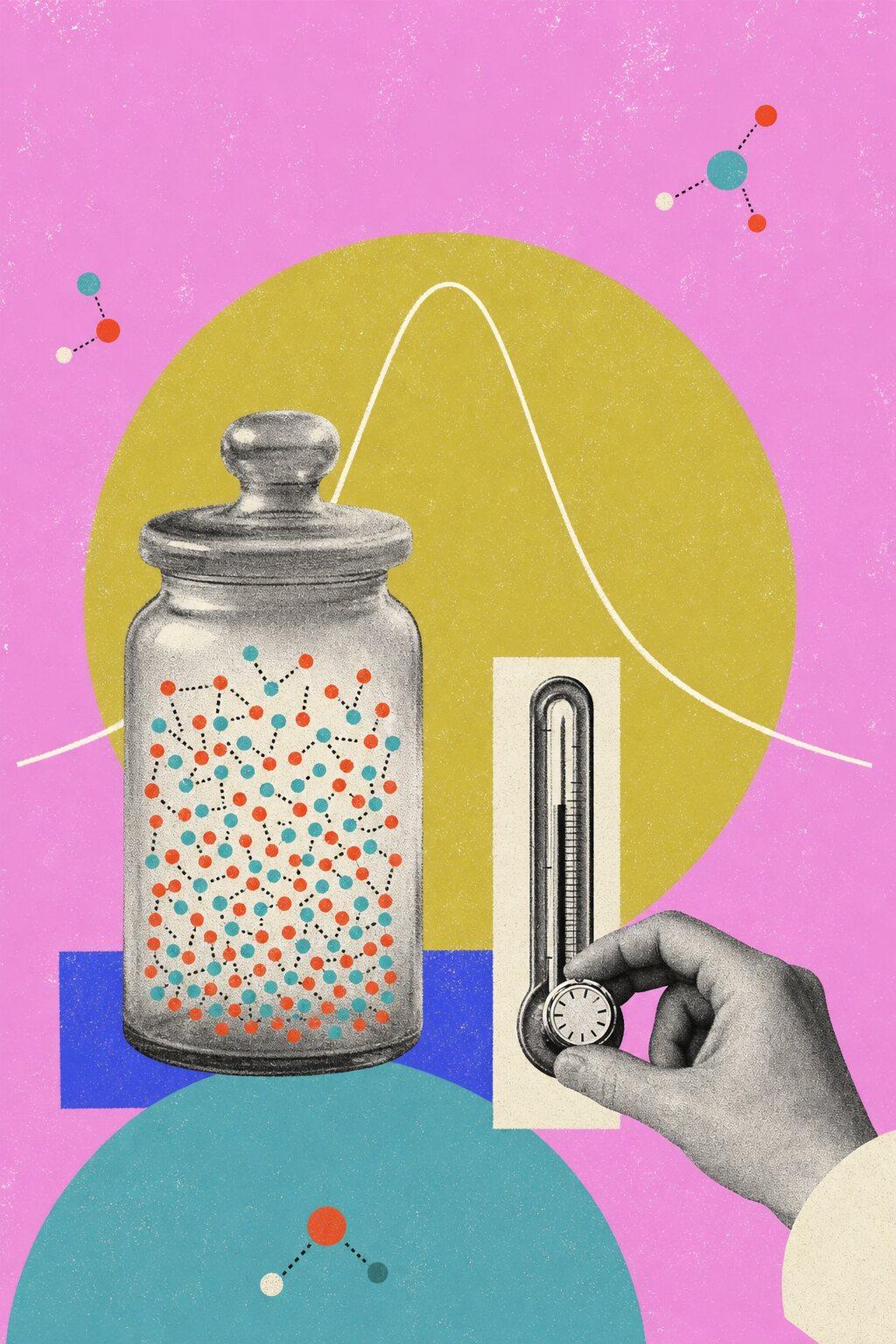
A glass of water holds more molecules than there are stars in the observable universe. Statistical mechanics shows how counting their arrangements explains temperature, entropy and the one-way direction of time.
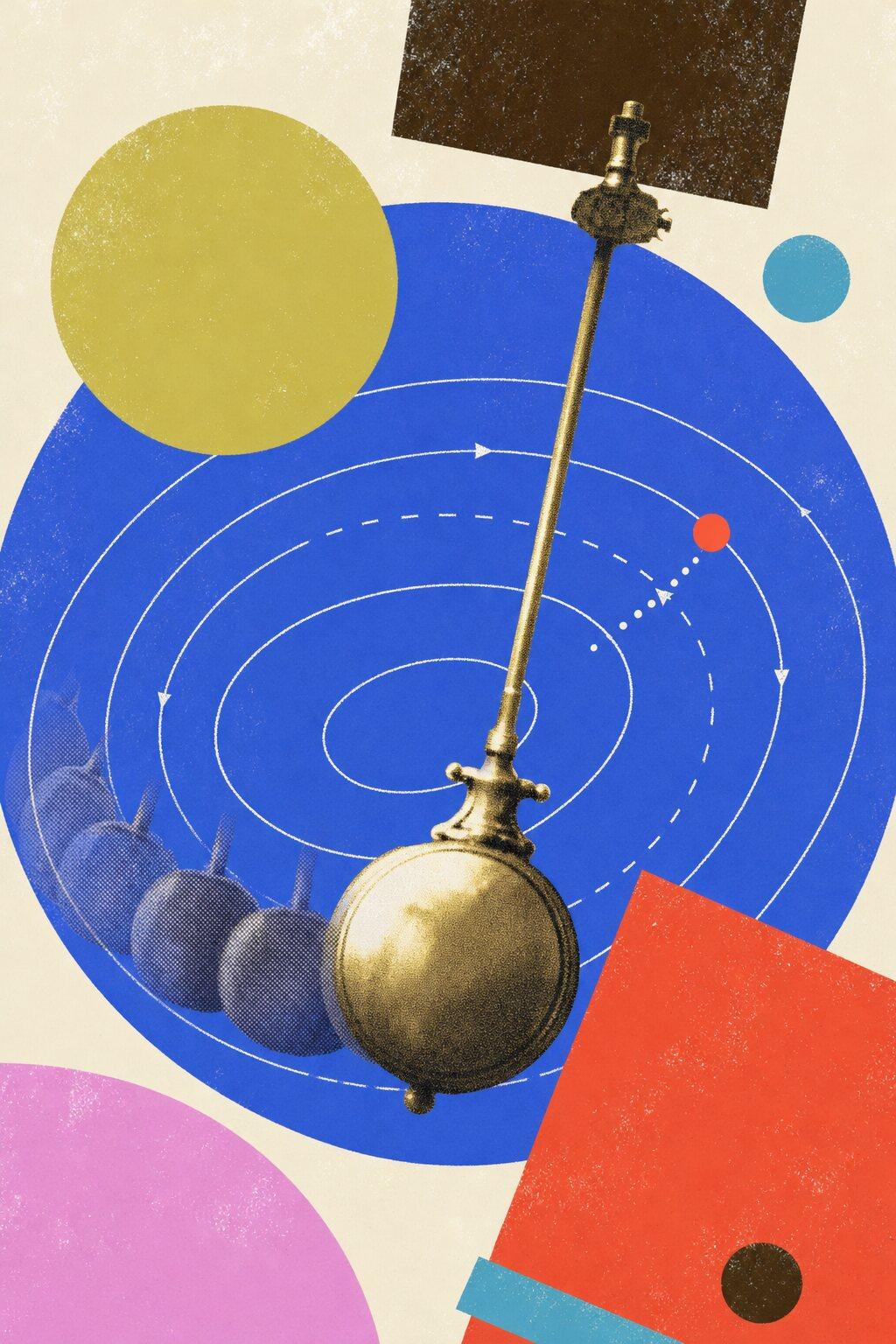
In the 1830s William Rowan Hamilton rewrote Newton's mechanics as geometry. His version turned energy into the engine of time and, a century later, handed quantum mechanics its grammar.
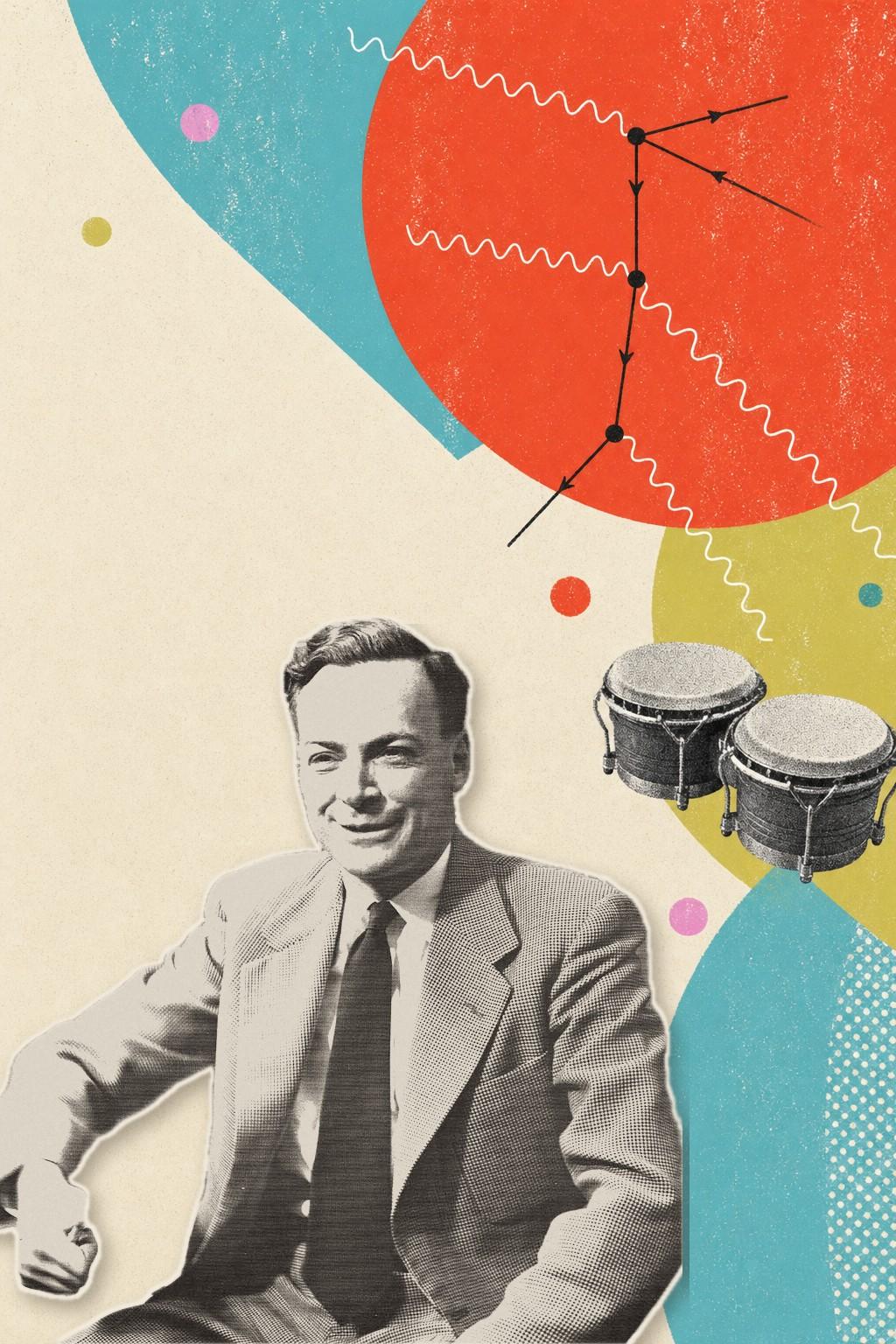
A few lines and squiggles became the most powerful calculating tool in physics. What the pictures mean, and why they work.
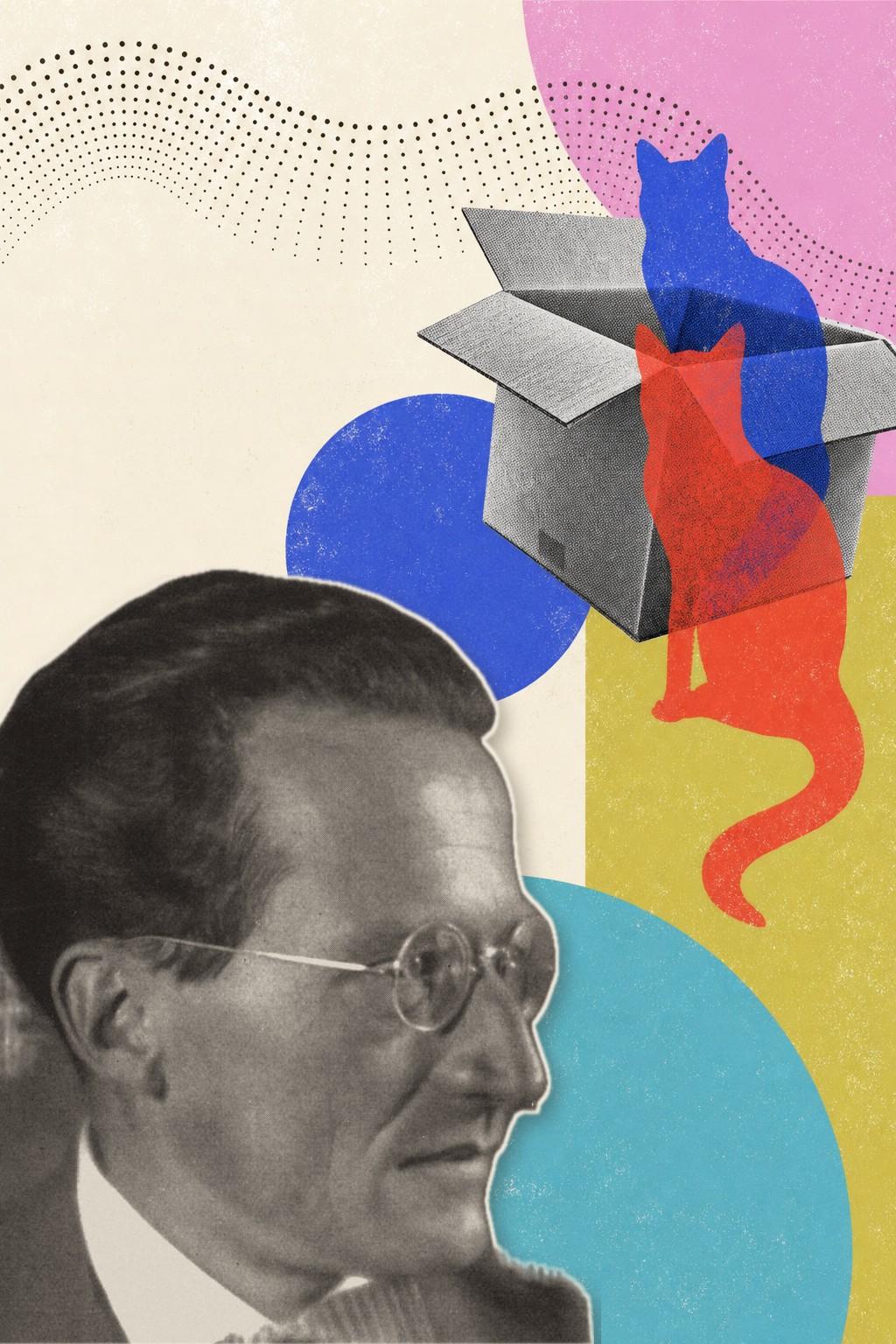
Schrödinger invented his cat to show that quantum mechanics had a problem. Ninety years on, the problem has a name: decoherence.
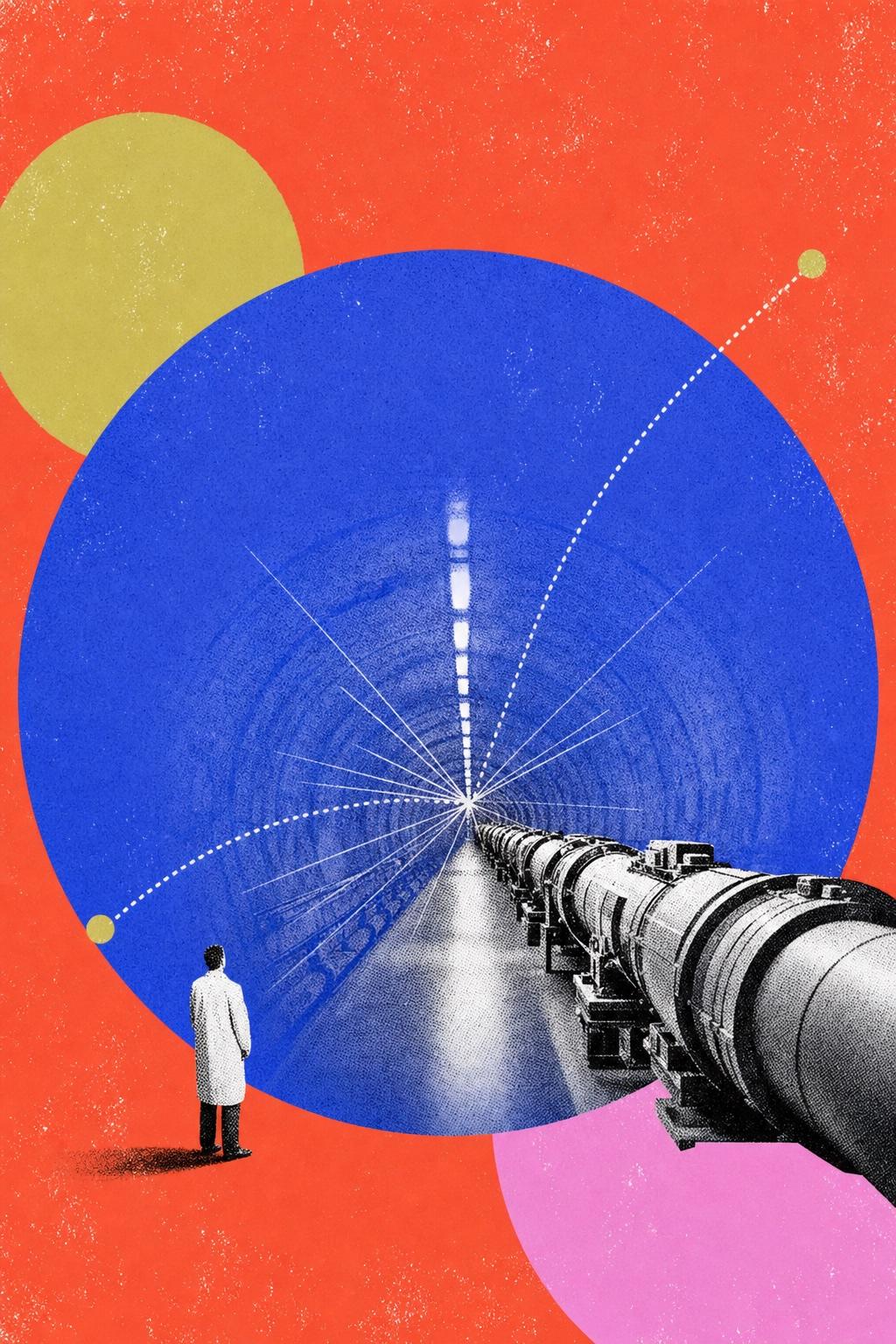
The Large Hadron Collider bends protons travelling within a hair of light speed around a 27-kilometre ring. The physics of how, and why it has to be so big.
Empty space is not empty. It is filled with a field whose lowest-energy state is not zero, and particles that interact with it acquire mass.
Dirac, Heisenberg and Feynman all warned that quantum mechanics resists ordinary language. Feynman's double-slit thought experiment shows how far words and pictures can still take us.
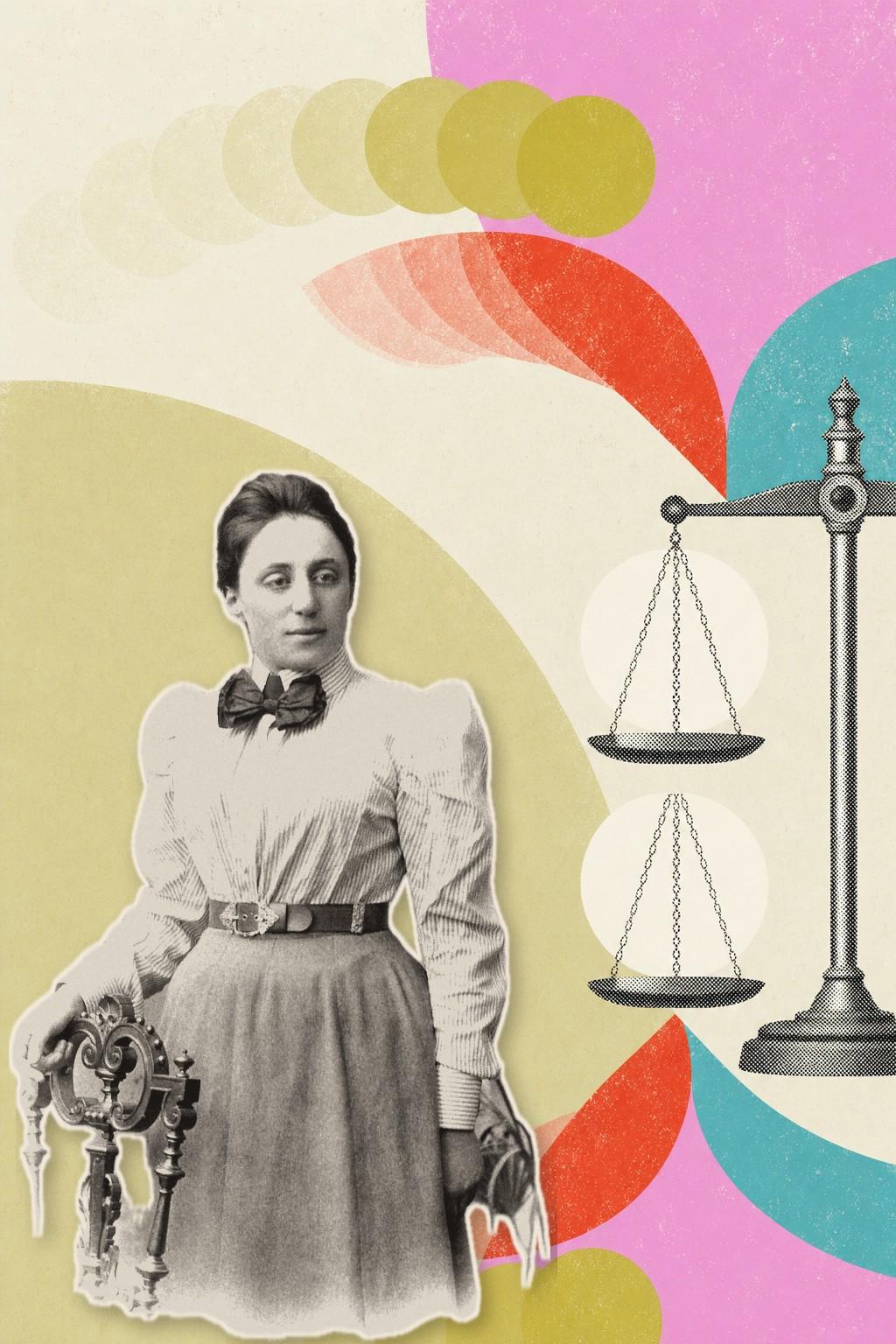
In 1918 Emmy Noether proved that every continuous symmetry of nature comes with a quantity that never changes. She did it while being refused a proper job.
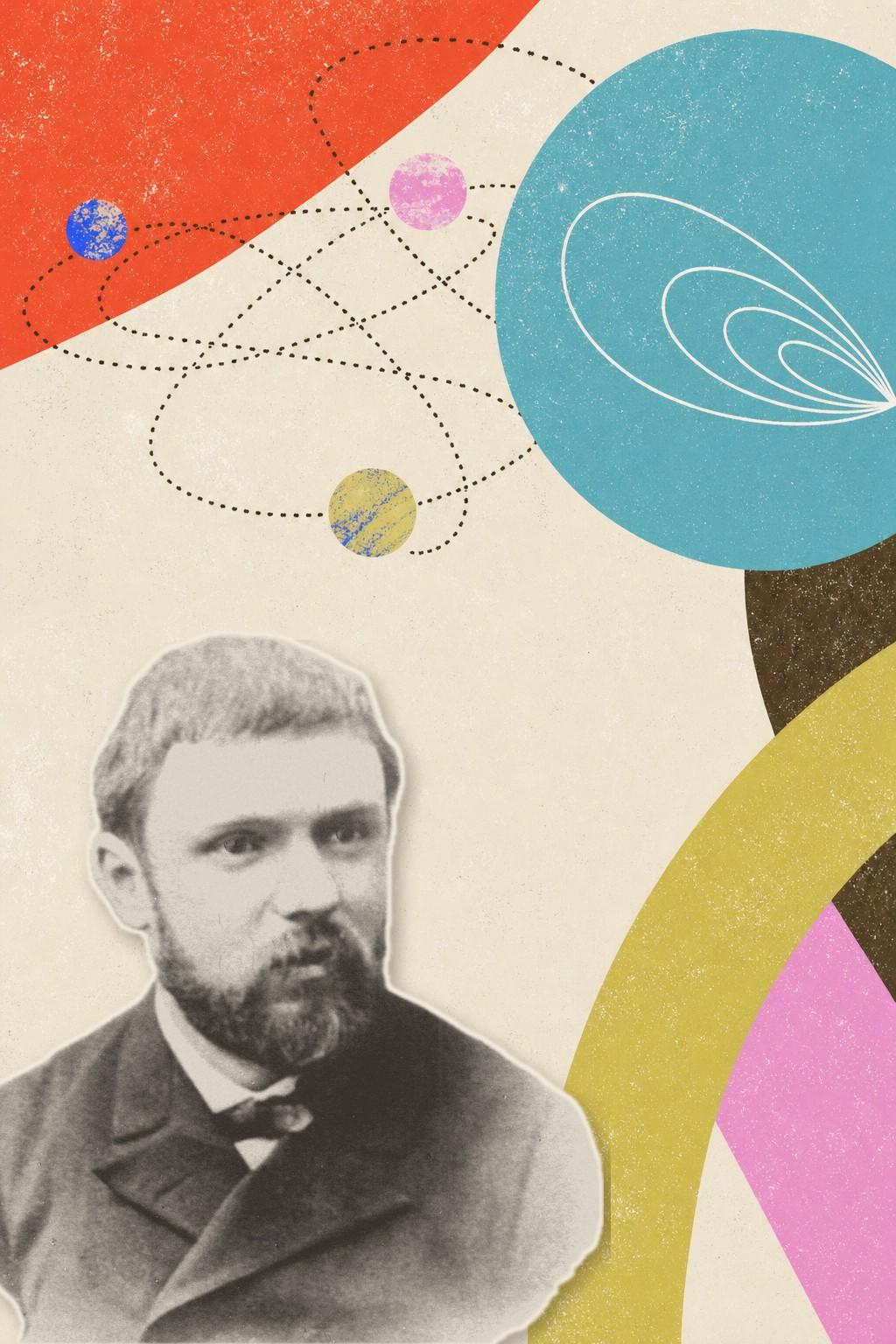
A prize essay on the stability of the solar system contained a mistake. Correcting it, Poincaré found chaos, and went on to reshape geometry and help prepare the ground for relativity.
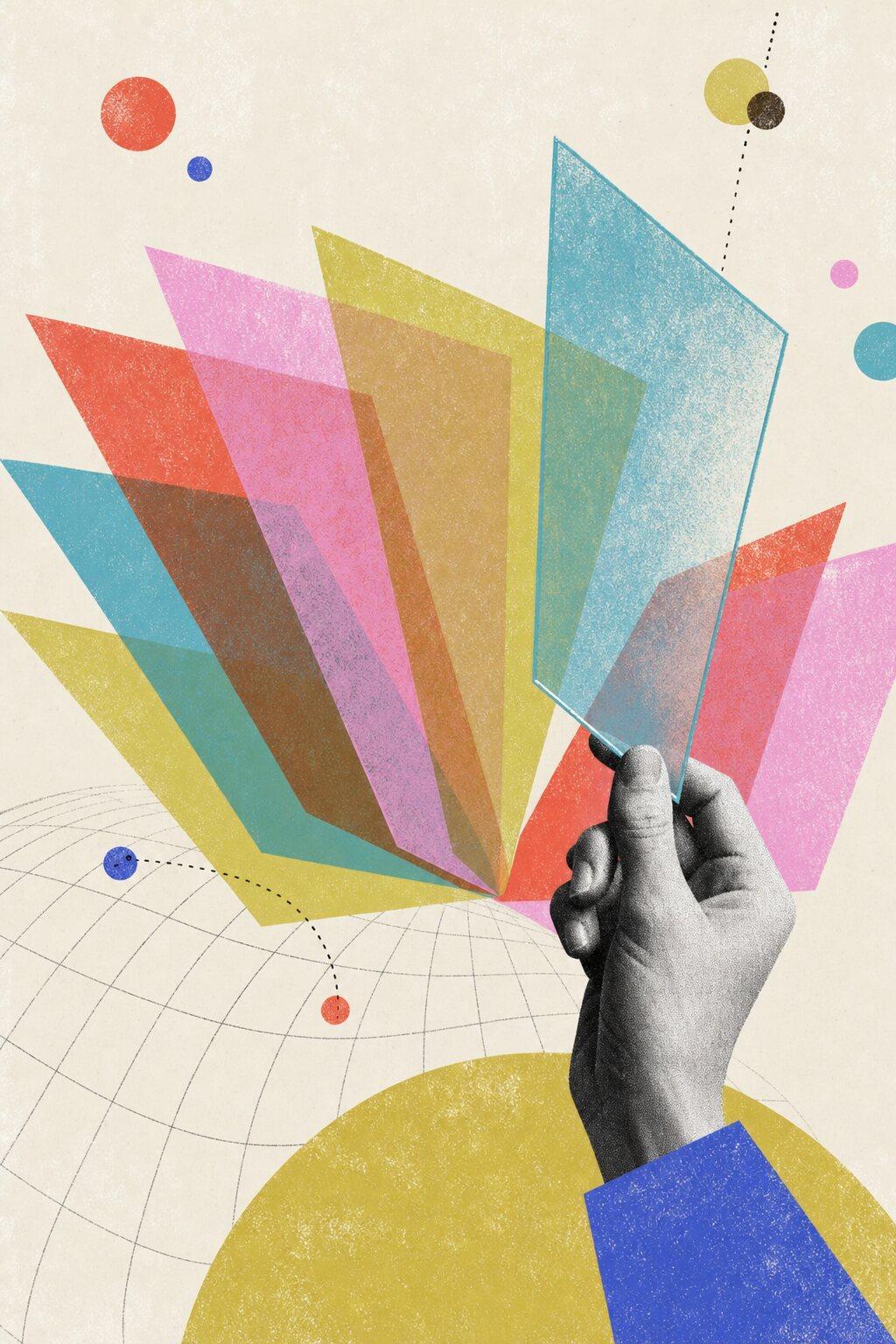
What if each flat slice through space were a single point in a larger space? That idea, first glimpsed by a schoolteacher in 1844, now turns up in geometry, particle physics and machine learning.
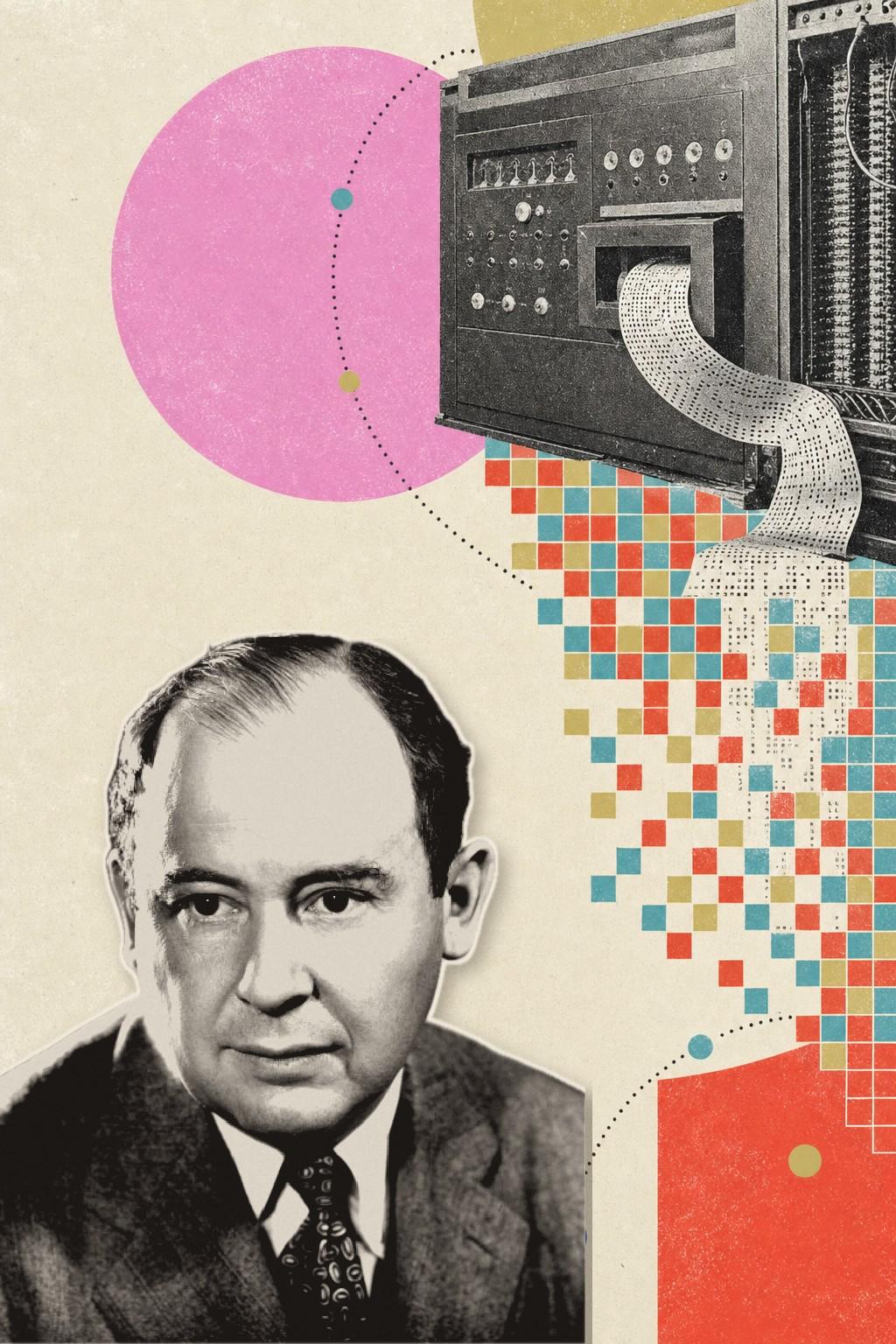
Before anyone knew the structure of DNA, John von Neumann worked out the logic any self-reproducing machine must have, on a grid of cells.
Nearly every risk number in finance quietly assumes a normal distribution. Markets are not normal, and the gap is where the losses live.
By Samir Varma
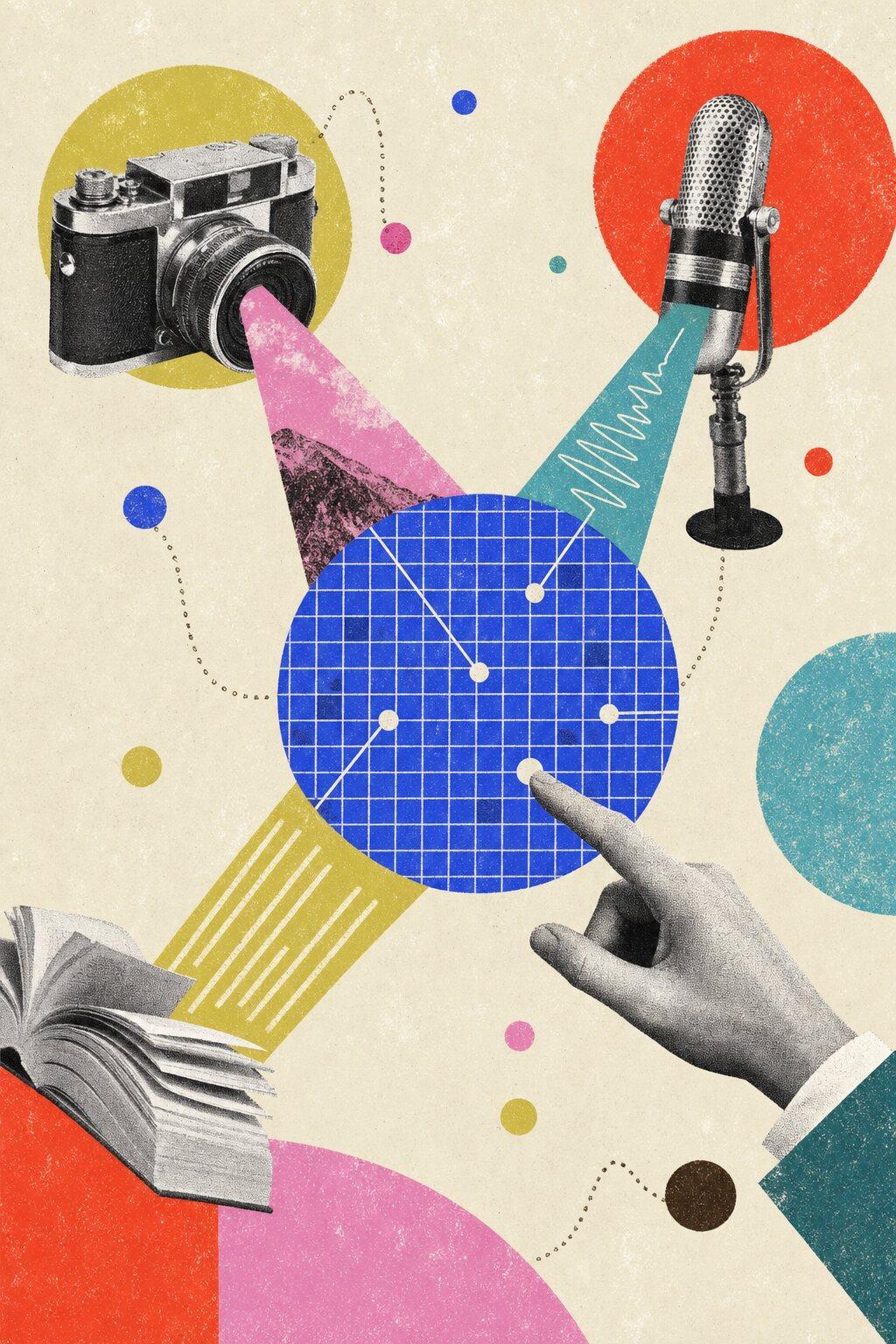
The newest AI models take in pictures, sound and text together. The trick is to turn each into the same kind of thing: lists of numbers in one shared space.
A theoretical physicist's dictionary for machine learning, starting where both fields start: statistical mechanics, maximum entropy, and why the Boltzmann distribution is the most likely one.